
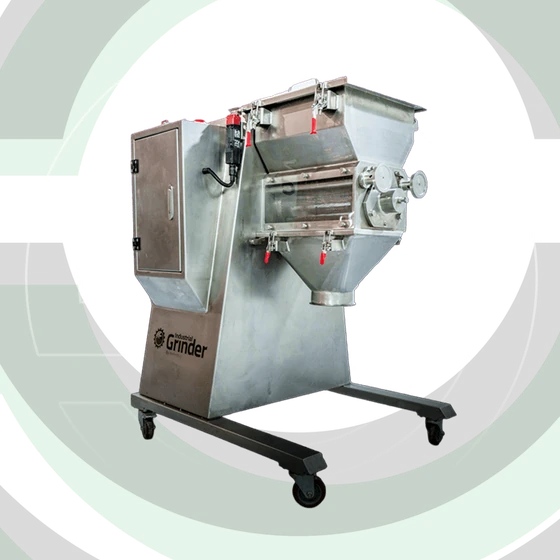
Consistent material in is fewer jams downstream.
Industry analysis cited alongside Hefestus's own downtime research puts the number in concrete terms: every 10 minutes of downtime per shift can cost up to $7,500 in lost revenue per week. That number is not a Hefestus price or financing figure, it is an industry estimate of what a stalled line costs in missed output, and it is the reason downtime deserves the same scrutiny as throughput when evaluating a machine.
Where downtime actually comes from
On most lines, downtime is not one dramatic breakdown, it is a series of small stops that add up: a jam on sticky or infused material, a fill inconsistency that stops the line for manual correction, a labeling misalignment, a compliance reject that requires manual rework, or a changeover between SKUs that takes longer than planned. Each one is small on its own. Across a shift, they are the gap between rated throughput and what actually ships.
How Hefestus machines are built to engineer it out
Jam resistance on the material that jams other lines
The patented Dutch Crown fold, used on both AuraX and LumineX, exists specifically because infused and sticky material is the most common source of jams on conventional rolling equipment. Reducing jam frequency on that material directly reduces the single biggest source of unplanned stops for producers running infused SKUs.
Compliance built into the line, not bolted onto the end
The AuraX Weight Checker automatically rejects underfilled or overweight units before they ship. That moves compliance checking out of a manual, line-stopping inspection step and into the flow of production itself, so a fill inconsistency is caught and removed without a shift-wide stop.
Consistent material prep upstream
The TerpPreserve Grinder's low-heat sift keeps material consistent going into the roller, which matters for downtime as much as terpene preservation, inconsistent material feeding a rolling machine is a common source of the jams and rejects that stop a line.
"Hefestus has been a great partner. Their equipment is top notch, and their customer service is second to none. Our efficiency has increased, and the production has increased greatly."
King's Garden Inc., CaliforniaThe actual number for your line depends on your shift length, crew cost, and current stop frequency, none of which a generic downtime calculator knows. A demo on your own material is the only way to see your real reject and jam rate before you commit any capital.
See how this plays out at real scale in the Copperstate Farms case study, or read the full buyer's guide for the five things to measure before you automate.