
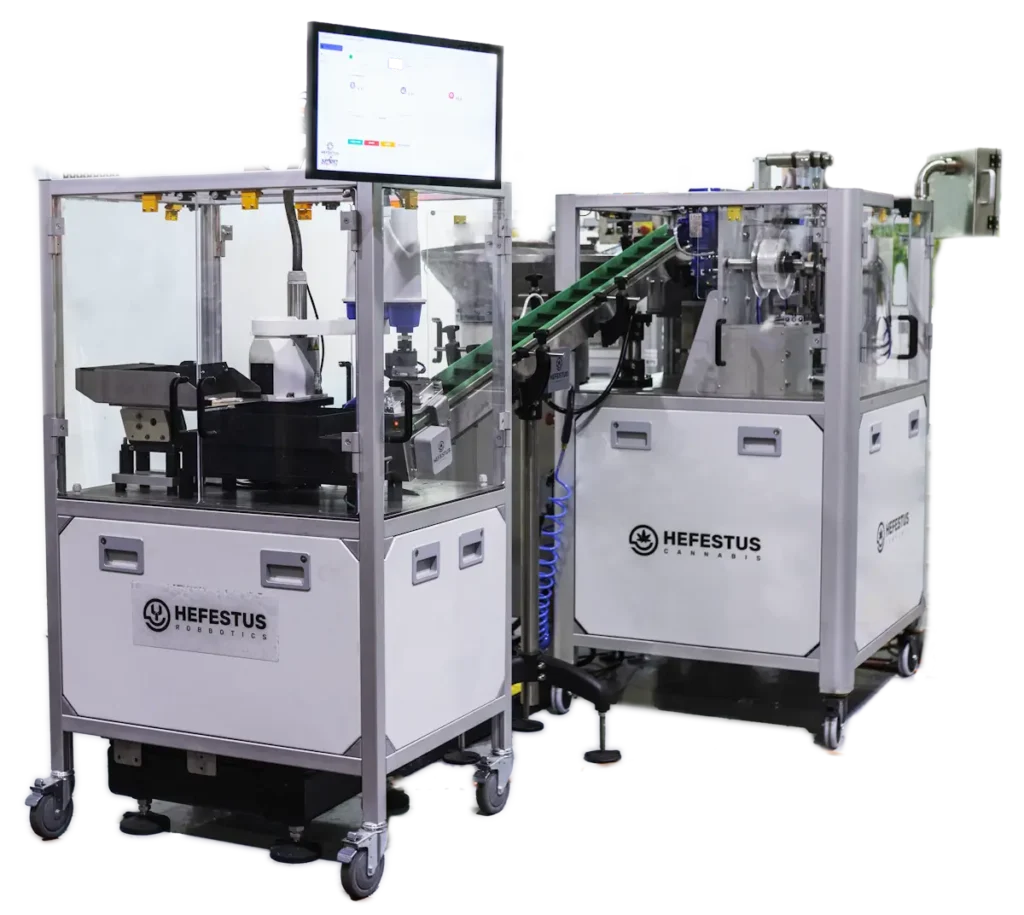
AutoTube seals the tube you choose, biodegradable or not.
If you're sourcing biodegradable tubes on the strength of the word on the bag, you're trusting a label most of the market hasn't earned. That's not an accusation against any specific supplier. It's a structural fact: most states don't require certification before a product can be called "biodegradable" or "compostable." The word is free. The lab work behind it isn't.
What "certified compostable" actually means
The real standard is BPI certification, built on ASTM D6400 (for fully plastic-based items) or D6868. To pass, a material has to break down into carbon dioxide, water, and biomass, physically disintegrating into pieces indistinguishable from compost within 180 days, and leave no toxic residue behind. That's a specific, testable claim. "Eco-friendly" and "plant-based" are not the same claim, and a supplier can say both without either one meaning the tube actually composts.
Before your next order, ask for the actual BPI certificate, and confirm it covers the exact resin grade or material blend you'll receive, not a similar one the supplier tested once.
The child-resistant problem the sustainability pitch skips
Here's the tension nobody puts in the pitch deck: bio-based and compostable materials struggle with child-resistant closure testing. Brittleness and inconsistent seal performance show up more in compostable films than in conventional plastic, and pure-paper formats tend to fail the tear, bite, and chew failure modes those tests specifically check for. A tube that's genuinely compostable and a tube that reliably passes CR testing aren't automatically the same tube.
The practical compromise most of the industry lands on is a hybrid: a compostable outer shell paired with a certified child-resistant inner mechanism. If a supplier tells you a fully compostable tube already clears CR testing with no tradeoff, ask to see that certificate too.
Compostable only works if somewhere can actually compost it. Even a properly certified compostable tube needs an industrial composting facility to actually break down, not a backyard bin. One US survey found only about half of composting facilities could accept compostable plastic waste at all. A certified-compostable tube with no facility anywhere near your customer base most likely ends up in a landfill anyway, the exact outcome "biodegradable" was supposed to avoid.
What this means for your next tube order
Three questions, alongside the ones worth asking about child-resistant compliance generally: does the "biodegradable" or "compostable" tube you're being offered carry a real BPI/ASTM certificate, does that certificate cover the exact material you'll receive, and does an industrial composting facility actually exist for your customers to use it. If the answer to any of those is "not sure," that's the gap to close before the order, not after.
AutoTube's tooling handles twist-top and pop-top closures regardless of what the tube itself is made of, so switching to a certified biodegradable format doesn't mean switching machines. See the full sealing and labeling step in the tube and label automation deep-dive, or read what else changed in the tube market this year in the 2026 tube market piece.